Have you ever opened a Bible and found words that felt too difficult to understand? Many people want to read God’s Word, but older translations can sometimes feel distant or confusing. They may search for a Bible version that speaks clearly to their heart and helps them grow in faith.
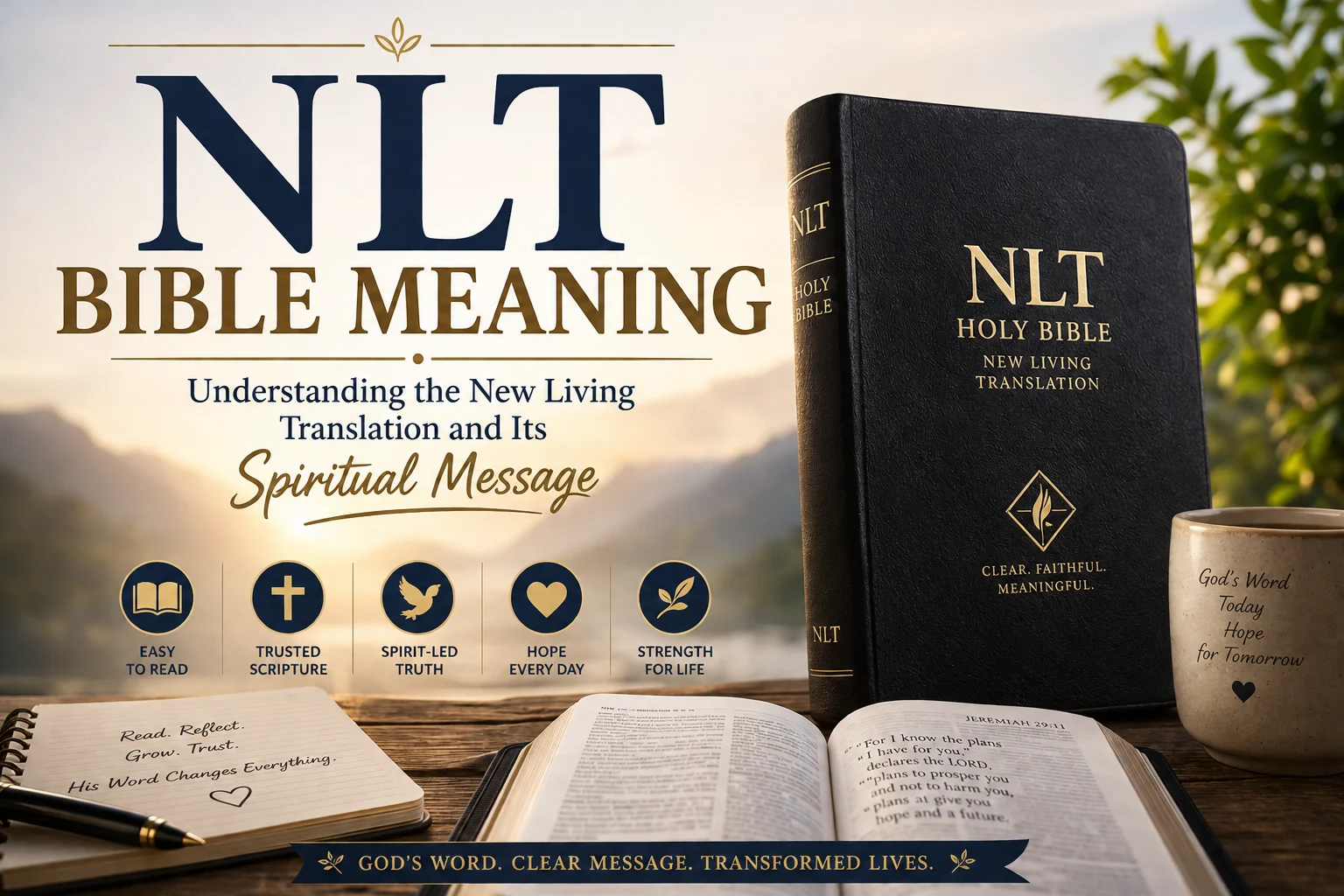
This is where the NLT Bible meaning becomes important. The New Living Translation (NLT) is a modern Bible translation created to make Scripture easier to read and understand. It uses simple, natural language while keeping the original message of the Bible.
Many Christians choose the NLT because it feels personal and easy to follow. Whether someone is reading during prayer, studying Scripture, or seeking guidance during a difficult season, the NLT helps bring God’s message closer.
But what does the NLT really mean? Is it only a simpler version of the Bible, or does it carry a deeper spiritual purpose?
The Bible is more than words on a page. It is a source of hope, wisdom, and divine guidance. Understanding the meaning behind the NLT can help believers connect with God’s truth in a fresh way.
Let’s explore the biblical meaning of the NLT, its spiritual significance, and how this translation can strengthen faith and bring comfort to everyday life.
Biblical Meaning of NLT Bible
The NLT Bible meaning refers to the purpose and message behind the New Living Translation. The NLT was created to communicate the meaning of Scripture in clear, modern language while staying faithful to the original biblical message.
The goal of the NLT is not simply to replace difficult words with easy ones. It seeks to help readers understand the heart, emotion, and message of God’s Word.
The Bible teaches that God’s Word is meant to guide and transform lives:
“All Scripture is inspired by God and is useful to teach us what is true and to make us realize what is wrong in our lives.”
— 2 Timothy 3:16
This verse shows that Scripture has a purpose. It teaches, corrects, encourages, and helps people grow spiritually. A translation like the NLT helps readers experience these truths more clearly.
NLT as a Tool for Understanding God’s Word
For many believers, the NLT brings new life to familiar passages. Verses that once felt difficult may become easier to understand.
For example, Jesus’ message of love and forgiveness becomes more accessible when the words are simple and direct. The meaning remains focused on God’s grace, mercy, and salvation.
The NLT follows a thought-for-thought translation style. This means it focuses on expressing the meaning of the original text rather than translating every single word exactly.
This approach helps readers understand the emotions, lessons, and spiritual messages behind Scripture.
Bible Verses and the Message of the NLT
The NLT helps highlight important biblical themes such as:
- God’s love
- Faith and trust
- Forgiveness
- Hope during struggles
- Spiritual transformation
A powerful example is Jeremiah 29:11:
“For I know the plans I have for you,” says the LORD. “They are plans for good and not for disaster, to give you a future and a hope.”
This verse reminds believers that God’s plans are filled with hope. The NLT presents this message in a way that many modern readers can easily understand.
Another example is Psalm 23:1:
“The LORD is my shepherd; I have all that I need.”
This simple wording helps readers see God as a loving protector who provides care and guidance.
Positive Spiritual Meaning of the NLT
The spiritual symbolism of the NLT can be understood through its purpose: helping people hear and understand God’s voice.
For someone new to Christianity, the NLT can provide a welcoming introduction to Scripture. For longtime believers, it can offer a fresh perspective during prayer and Bible study.
The NLT reminds Christians that God’s message is not meant to be hidden. His Word is meant to bring:
- Comfort in difficult times
- Wisdom for daily choices
- Peace during uncertainty
- Strength through faith
A Balanced View of the NLT
While the NLT is loved by many Christians, it is important to remember that every Bible translation has its own approach. Some readers prefer more word-for-word translations for detailed study.
The NLT is often valued for devotional reading, personal reflection, and helping people understand Scripture’s main message.
The important lesson is that the power of the Bible comes from God’s truth, not only from the translation style. A sincere heart seeking God can grow through reading His Word.
Spiritual Significance and Symbolism of the NLT Bible
The deeper spiritual meaning of the NLT connects to relationship with God. It represents the desire to make Scripture understandable so that more people can experience God’s love and guidance.
God’s Word is described as a light that guides believers:
“Your word is a lamp to guide my feet and a light for my path.”
— Psalm 119:105
The NLT reflects this idea by helping readers see the path God has placed before them.
For someone facing fear, the NLT can bring reminders of God’s promises. For someone searching for purpose, it can reveal lessons about faith and obedience.
For example, a person going through a hard season may read a passage about God’s faithfulness. Simple words can help them understand that they are not walking alone.
The NLT can also support spiritual awakening and transformation. As people understand Scripture better, they can apply God’s teachings to their daily lives.
Reading the Bible is not only about gaining knowledge. It is about allowing God’s truth to shape the heart.
Biblical Interpretations of NLT in Dreams or Real Life
If someone dreams about a Bible, sees the letters “NLT,” or feels drawn toward this translation, it may carry personal spiritual meaning.
In Christian dream interpretation, a Bible often represents:
- God’s guidance
- A search for truth
- Spiritual growth
- A desire for wisdom
Dreaming of an easy-to-understand Bible like the NLT may symbolize a need for clarity, encouragement, or a deeper connection with God.
A peaceful dream about reading Scripture may reflect hope and spiritual growth. A confusing or troubling dream may be a reminder to seek prayer, wisdom, and God’s direction.
Dreams should be considered carefully and prayerfully. The Bible remains the foundation for understanding God’s message.
Practical Lessons and Faith Insights
The NLT teaches an important lesson: God’s Word is meant to be understood and lived. Spend time reading Scripture, pray for wisdom, and allow God’s truth to guide your choices. A deeper understanding of the Bible can lead to stronger faith, greater peace, and lasting spiritual growth.
Frequently Asked Questions About NLT Bible Meaning
1. What does NLT mean in the Bible?
NLT stands for New Living Translation. It is a modern Bible translation designed to make Scripture easier to read while keeping the original message and meaning.
2. Is the NLT Bible accurate?
The NLT is considered a reliable Christian Bible translation. It uses a thought-for-thought approach to communicate the meaning of the original biblical languages clearly.
3. What is the spiritual meaning of reading the NLT Bible?
Reading the NLT can help believers understand God’s Word, grow in faith, receive encouragement, and apply biblical teachings to daily life.
4. What Bible verses are good to read in the NLT?
Popular passages include Psalm 23, Jeremiah 29:11, John 3:16, and Philippians 4:6-7. These verses focus on God’s love, peace, hope, and guidance.
5. Does the NLT Bible have the same message as other translations?
Yes, the NLT shares the same core biblical message as other Christian translations. Its main difference is the use of modern language to make Scripture easier to understand.
Conclusion
The NLT Bible meaning is about making God’s Word clear, accessible, and meaningful for everyday life. This translation helps readers discover biblical truth, experience God’s presence, and grow in faith.
Whether you are beginning your spiritual journey or seeking a fresh understanding of Scripture, the NLT can be a helpful guide. May God’s Word continue to bring you wisdom, hope, and peace as you seek His guidance.
ESV Bible Meaning: Understanding the English Standard Version and Its Spiritual Value